
Why Lab Grown Gemstones Are a Great Choice: Sapphire, Emerald & Ruby
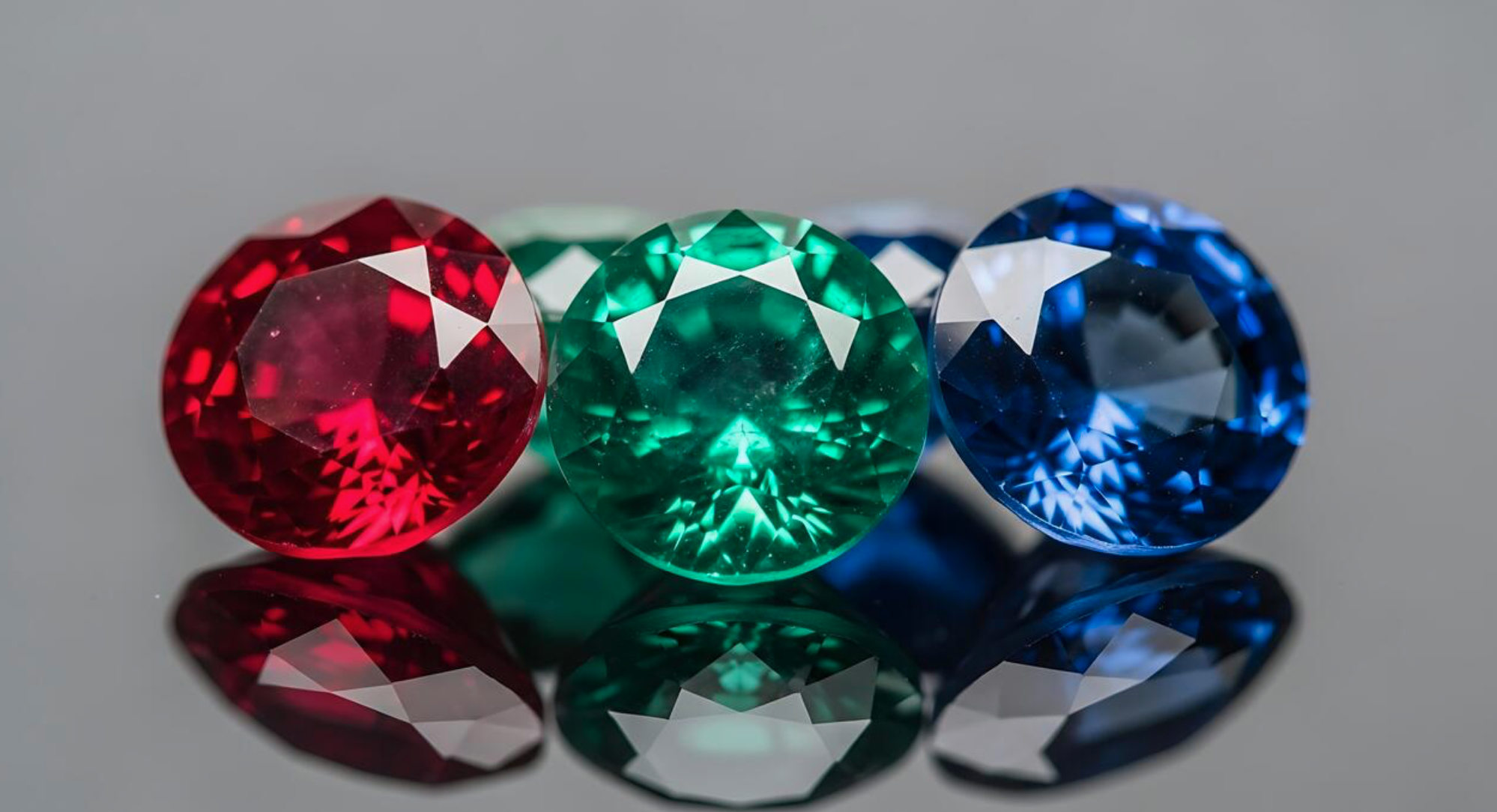
Lab Grown vs Natural Emerald, Ruby & Sapphire
Laboratory grown gemstones are transforming modern jewellery. As gold prices continue to rise, many customers are looking for ways to maximise value without compromising on beauty or durability. Lab grown emerald, ruby and sapphire offer exceptional colour, clarity and consistency while remaining chemically identical to their natural counterparts.
The only difference between natural and lab grown gemstones is their origin. Natural stones form beneath the earth over millions of years, while laboratory grown stones are created in controlled environments that replicate the same heat and pressure conditions in a fraction of the time.
Natural vs Lab Grown Emerald
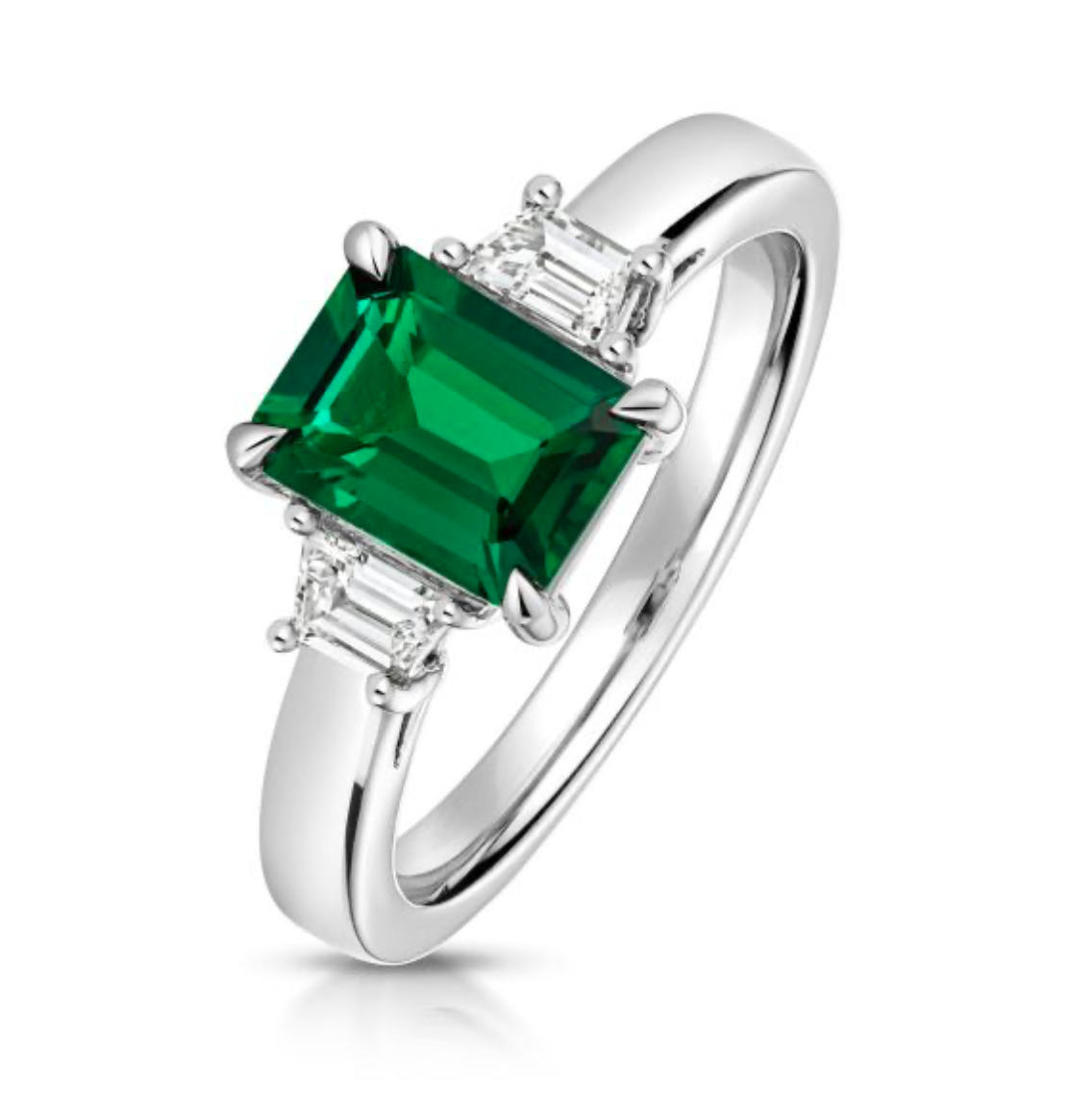
Lab Grown Emerald
Consistent green saturation, improved clarity and fewer visible inclusions.
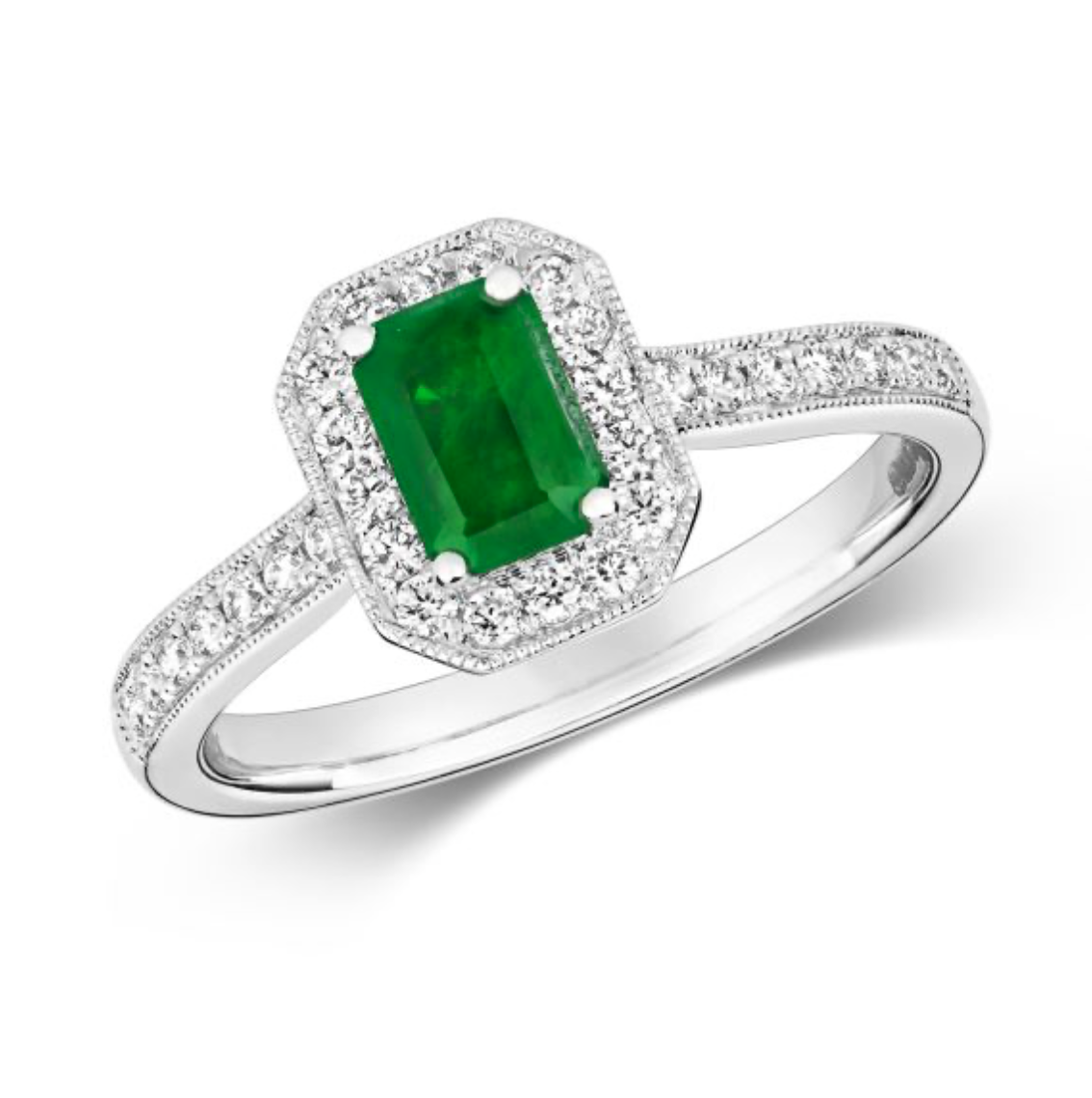
Natural Emerald
Formed naturally over millions of years, often displaying inclusions known as jardin.
Emerald belongs to the beryl family and ranks 7.5–8 on the Mohs hardness scale. Nearly all natural emeralds contain internal inclusions. These inclusions are accepted as part of the stone’s character, but high clarity natural emeralds are extremely rare and command significant prices.
Lab grown emeralds are typically produced using the hydrothermal process. This allows for improved clarity control and more even colour distribution. While they remain genuine emerald in composition, they offer greater accessibility for customers seeking larger centre stones with strong green vibrancy.
For buyers balancing rising gold prices, lab grown emerald allows budget to be allocated more effectively toward metal quality, setting design or diamond accents.
Natural vs Lab Grown Ruby
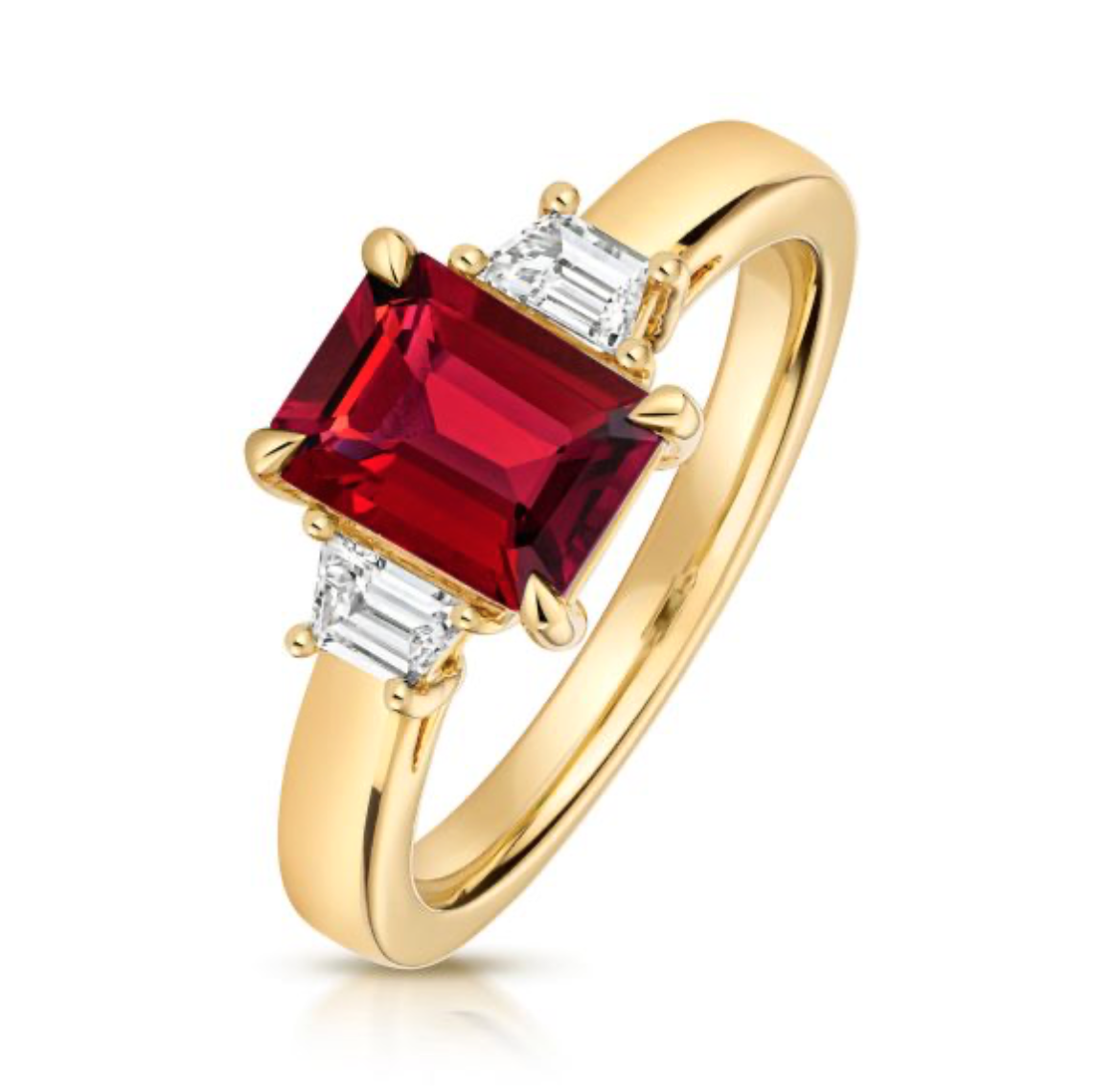
Lab Grown Ruby
Intense red saturation, clean internal structure and excellent durability.
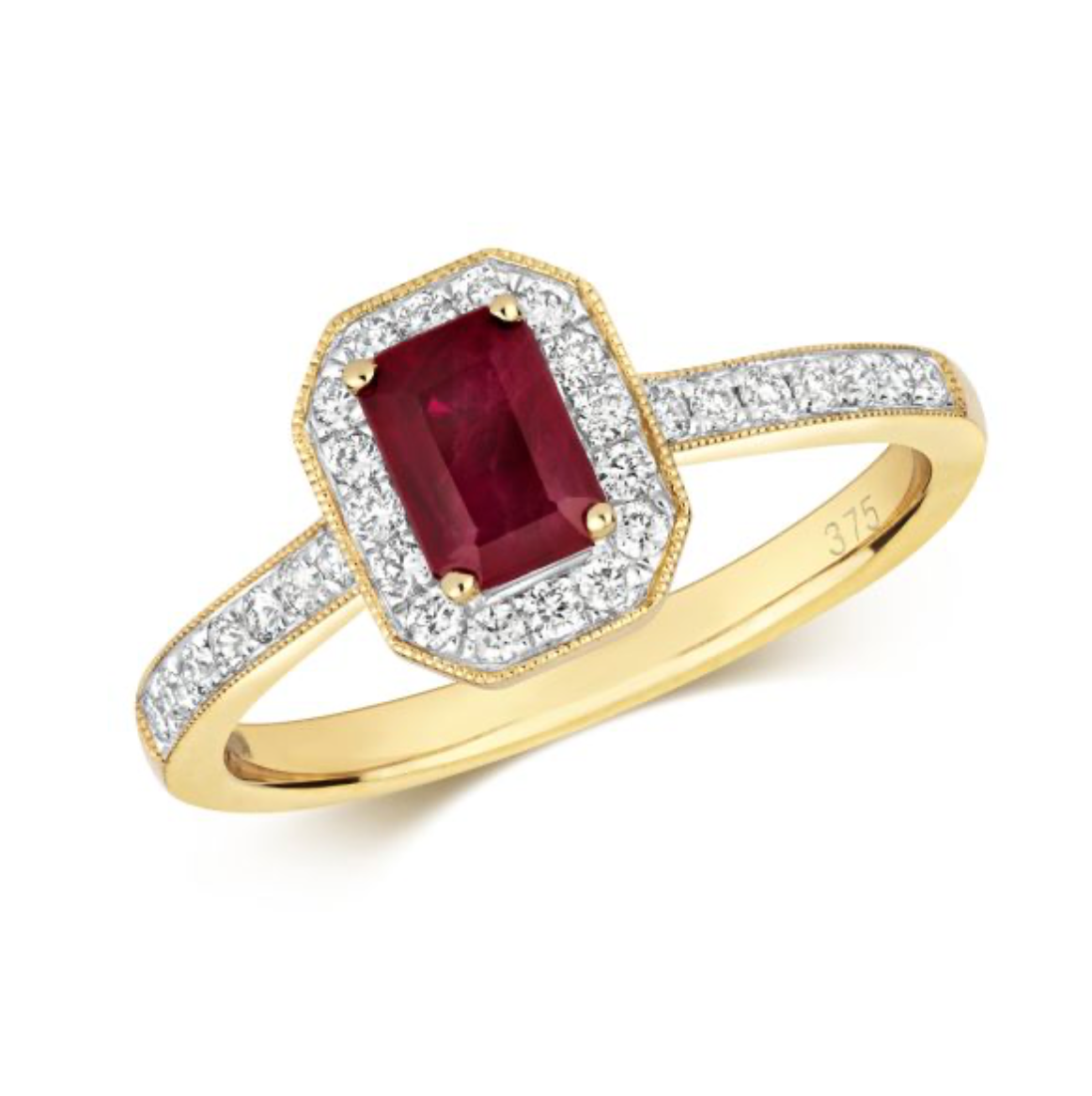
Natural Ruby
Highly prized but often contains inclusions and colour zoning.
Ruby is a variety of corundum coloured by chromium. It ranks 9 on the Mohs hardness scale, making it highly suitable for daily wear rings. Fine natural rubies with vivid “pigeon blood” red colour and minimal inclusions are among the rarest gemstones in the world.
Lab grown ruby, typically created through flame fusion, offers identical hardness and brilliance. Because colour and clarity can be controlled, lab grown ruby provides consistent deep red saturation at a significantly lower price point than comparable natural stones.
This makes lab grown ruby particularly attractive for engagement rings and statement jewellery where size and colour intensity are important.
Natural vs Lab Grown Sapphire
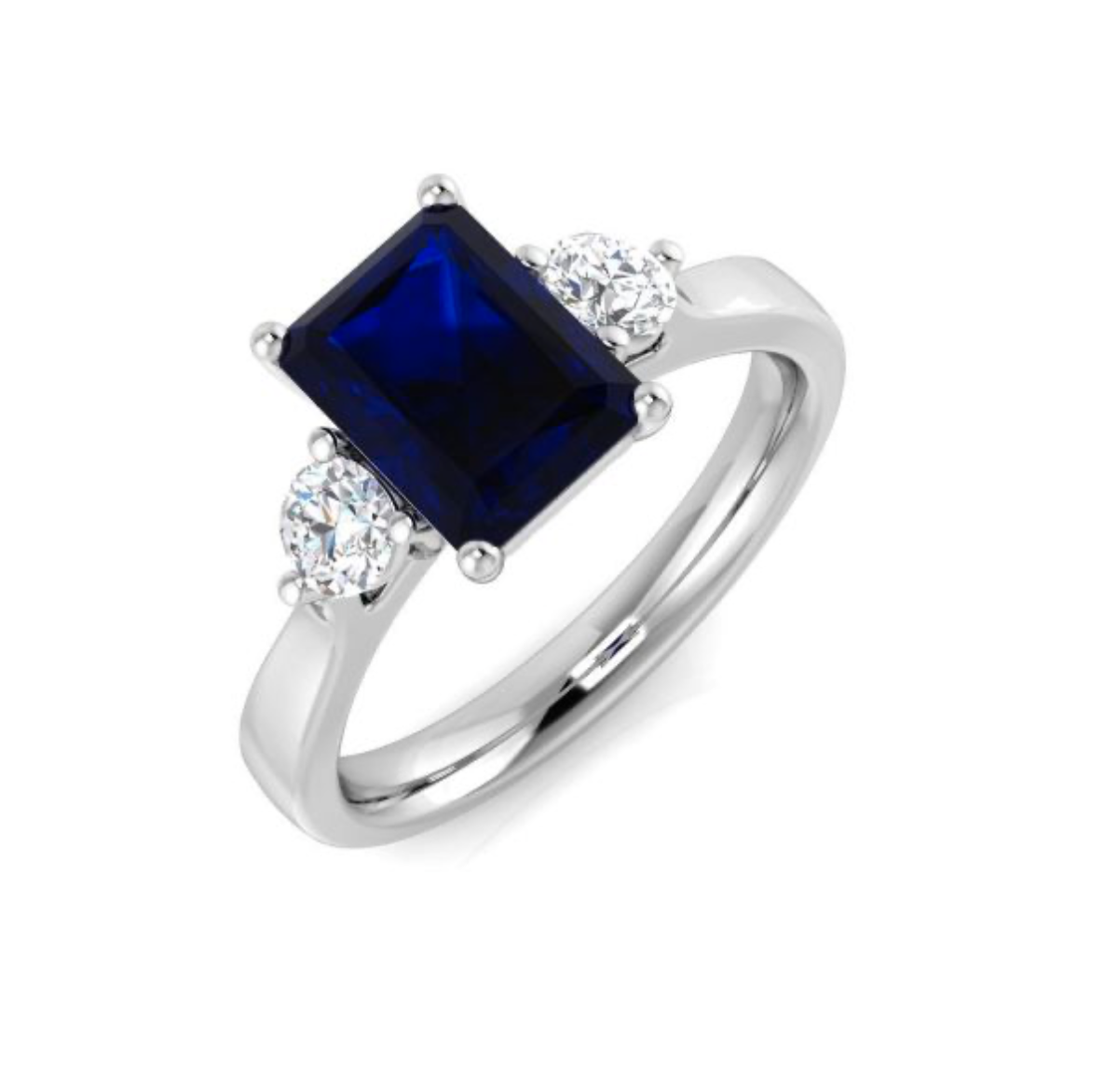
Lab Grown Sapphire
Precise colour grading, excellent clarity and superior consistency.
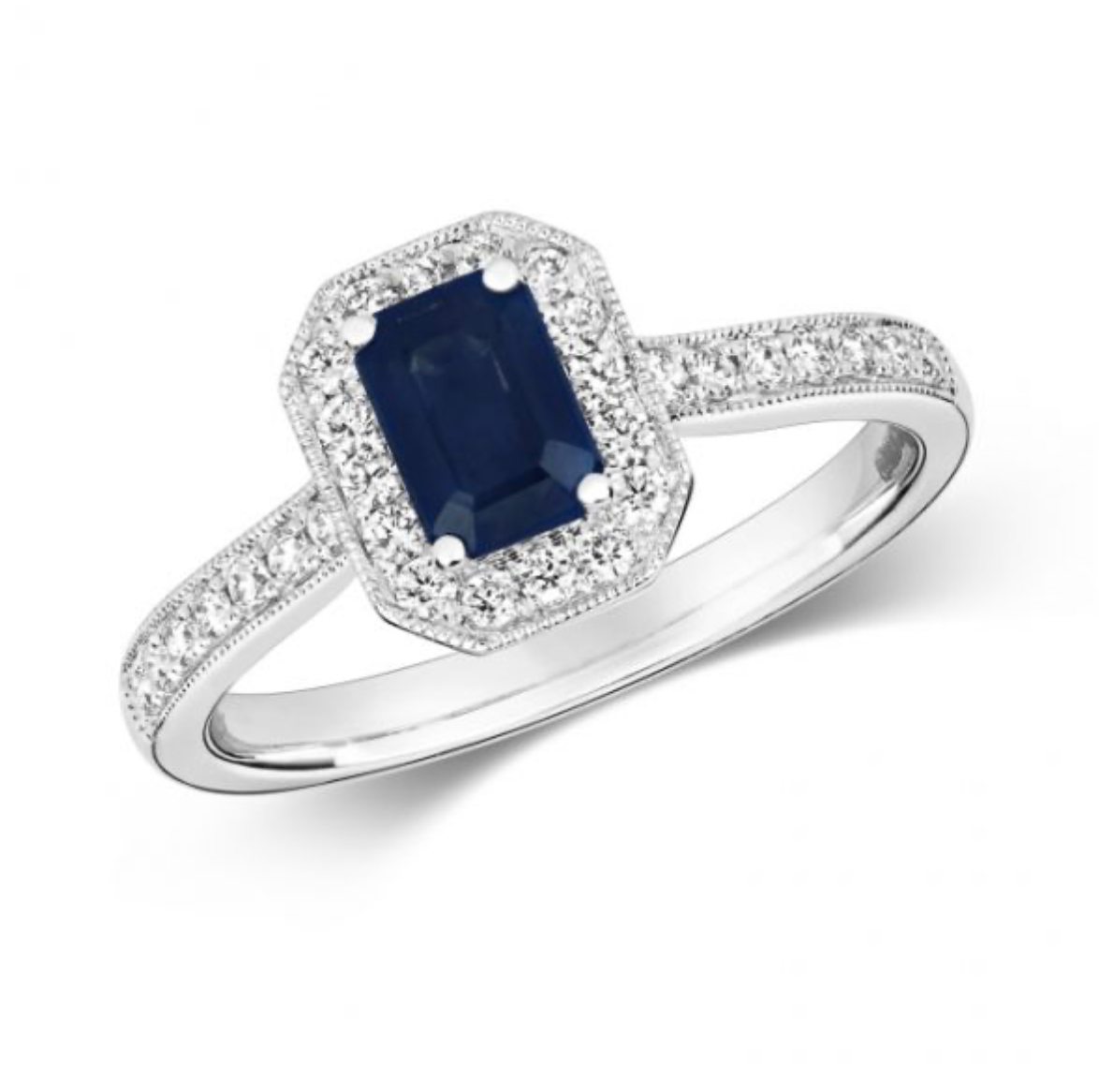
Natural Sapphire
May display inclusions, zoning and variation depending on origin.
Sapphire is also a member of the corundum family and shares ruby’s hardness of 9 on the Mohs scale. While blue is most recognised, sapphires occur in multiple colours.
Natural sapphires may display colour zoning or internal inclusions depending on their geological origin. Lab grown sapphire offers exceptional uniformity in tone and clarity, making it ideal for buyers seeking a flawless deep blue appearance.
How Lab Grown Gemstones Are Created
Hydrothermal Growth (Emerald)
The hydrothermal process is the primary method used to create high quality lab grown emeralds. It replicates the natural conditions under which emerald forms deep within the earth. Crystals are grown inside sealed high pressure vessels called autoclaves at temperatures between 500°C and 700°C.
Inside the autoclave, mineral rich materials containing beryllium, aluminium and silica dissolve in superheated water. A controlled temperature difference within the vessel causes this solution to slowly deposit onto thin emerald seed crystals suspended above. Over several weeks or months, the crystal gradually grows layer by layer.
The result is a genuine emerald with identical chemical composition, hardness and crystal structure to natural emerald, often with improved clarity and consistent colour.
Flame Fusion (Ruby & Sapphire)
Flame fusion, also known as the Verneuil process, is commonly used to create lab grown ruby and sapphire. Both gemstones are varieties of corundum, composed primarily of aluminium oxide.
In this process, fine aluminium oxide powder is melted at temperatures exceeding 2,000°C. The molten material cools and crystallises onto a rotating base, forming a solid crystal known as a boule. Trace elements are added to produce colour, chromium for ruby and iron and titanium for sapphire.
The finished gemstones are chemically and physically identical to mined ruby and sapphire, with the same hardness of 9 on the Mohs scale. This makes them highly durable and ideal for everyday jewellery, while offering strong, consistent colour and clarity.
Technical Comparison Overview
| Feature | Natural | Lab Grown |
|---|---|---|
| Chemical Composition | Natural mineral formation | Identical composition |
| Durability | Emerald 7.5–8, Ruby/Sapphire 9 | Identical |
| Clarity | Often included | Often higher clarity |
| Colour Consistency | Can vary | More controlled |
| Environmental Impact | Requires mining | No large scale mining |
Care and Maintenance
Proper care and maintenance are essential to preserve the beauty, security and longevity of lab grown emerald, ruby and sapphire jewellery. Although these gemstones are durable and suitable for everyday wear, they still require thoughtful handling to ensure they remain in excellent condition over time.
Regular cleaning helps maintain brilliance and sparkle. The safest method is to use warm water with a small amount of mild soap and a soft brush, such as a soft toothbrush. Gently clean around the stone and underneath the setting, as dirt and residue often build up beneath the gemstone where light enters. After cleaning, rinse thoroughly and dry with a soft, lint-free cloth. This simple routine can dramatically improve the appearance of the stone and setting.
It is important to avoid harsh chemicals, abrasive cleaners and prolonged exposure to substances such as chlorine, bleach or strong household cleaning agents. These can damage metal settings and potentially weaken claws over time. Jewellery should also be removed before swimming, using cleaning products, gardening or undertaking manual work.
Emerald, whether natural or lab grown, requires slightly more care than ruby or sapphire. While emerald ranks 7.5 to 8 on the Mohs scale, it is generally more brittle due to its internal structure. It should be protected from sharp knocks or impact. Ultrasonic cleaners are not always suitable for emerald unless specifically advised by a professional jeweller. Ruby and sapphire, ranking 9 on the Mohs scale, are highly resistant to scratching and more robust for daily wear, though they should still be treated with care.
Proper storage is equally important. Jewellery should be stored individually in a soft-lined box or pouch to prevent stones from scratching one another. Diamonds, in particular, can scratch almost any gemstone, including sapphire and ruby. Keeping pieces separate reduces the risk of surface damage.
Finally, professional inspection is recommended periodically, especially for rings worn daily. Over time, claws and settings can wear naturally. Having a jeweller check and tighten settings when necessary helps prevent accidental stone loss and extends the life of the piece.
With sensible care, lab grown emerald, ruby and sapphire jewellery can maintain its beauty and structural integrity for many years, providing both visual enjoyment and long-term value.
Why Buy from Lloyds Family Jewellery?
Lloyds Family Jewellery is a family run jeweller established in 1969. With decades of experience in fine jewellery, we carefully select and craft lab grown emerald, ruby and sapphire rings to meet the highest standards of quality and durability.
Our reputation is built on trust and service. We consistently maintain ratings between 4.8 and 5 stars across Trustpilot, Review Centre and Google Reviews. Customers value our professional advice, transparent pricing and long-standing heritage.
We combine modern gemstone innovation with traditional craftsmanship, ensuring each ring offers both beauty and structural integrity. Whether you are choosing a lab grown gemstone to maximise clarity, reduce environmental impact or balance budget in a rising gold market, we provide expert guidance at every stage.
Explore our collection here:
View Lab Grown Gemstone Rings at Lloyds Family Jewellery
The Modern Approach to Fine Jewellery
The modern approach to fine jewellery reflects a shift in how customers think about value, quality and responsibility. Lab grown emerald, ruby and sapphire combine advanced scientific innovation with centuries of gemstone tradition. They are chemically and physically identical to natural stones, yet offer greater consistency, accessibility and control over quality.
For today’s buyer, the focus is no longer based purely on rarity. It is about balance, craftsmanship, longevity and making informed choices. Laboratory grown gemstones provide vibrant, precisely controlled colour and often improved clarity, allowing customers to select larger centre stones or allocate more of their budget toward superior metal quality and design. This is particularly relevant at a time when gold prices remain elevated and overall jewellery costs have increased.
There is also a growing awareness of environmental impact and sourcing transparency. Lab grown gemstones offer a responsible alternative to large-scale mining, while maintaining the durability, brilliance and authenticity expected from fine jewellery. They are not imitations or substitutes, but genuine gemstones created through processes that replicate nature under controlled conditions.
In practical terms, lab grown sapphire and ruby retain exceptional durability, ranking 9 on the Mohs hardness scale, making them highly suitable for everyday wear. Lab grown emerald offers the rich green elegance long associated with classic fine jewellery, often with improved clarity and structural integrity compared to many natural stones within the same price range.
The modern approach to fine jewellery is not about replacing tradition, but enhancing it. By embracing laboratory grown gemstones, customers can enjoy timeless design, impressive visual impact and responsible sourcing, all while making a considered and confident investment. For many buyers, this is not a compromise, but a progressive and intelligent choice.
Powered by Mirasvit Magento 2 Extensions
-
Why Lab Grown Gemstones Are a Great Choice: Sapphire, Emerald & Ruby
-
 Gemstone Rings: A Beautiful Alternative to Diamond Rings | Lloyds Family Jewellery
-
 How Much Money Should You Spend on a Wedding Ring in 2025?
-
 Sapphire Splendour: Exploring the Captivating World of Sapphire Jewellery
-
 Diamond Cross Pendant Information Guide - Faith Meets Fashion